After Winter: 5 Signs Your Windows Need Attention
In spring, windows often reveal what winter left behind. You do not need a detailed inspection to notice it. The biggest clues are usually the small, everyday ones. A window that no longer closes as well, a cracked seal, or a water mark in one corner do not all point to the same issue. That is exactly why it helps to know how to read the signs.
Here are five signs your windows may need attention after winter.
1. The seals around the frame look cracked or worn
The first place to look is not always the glass. More often than not, it is the area around the window frame.
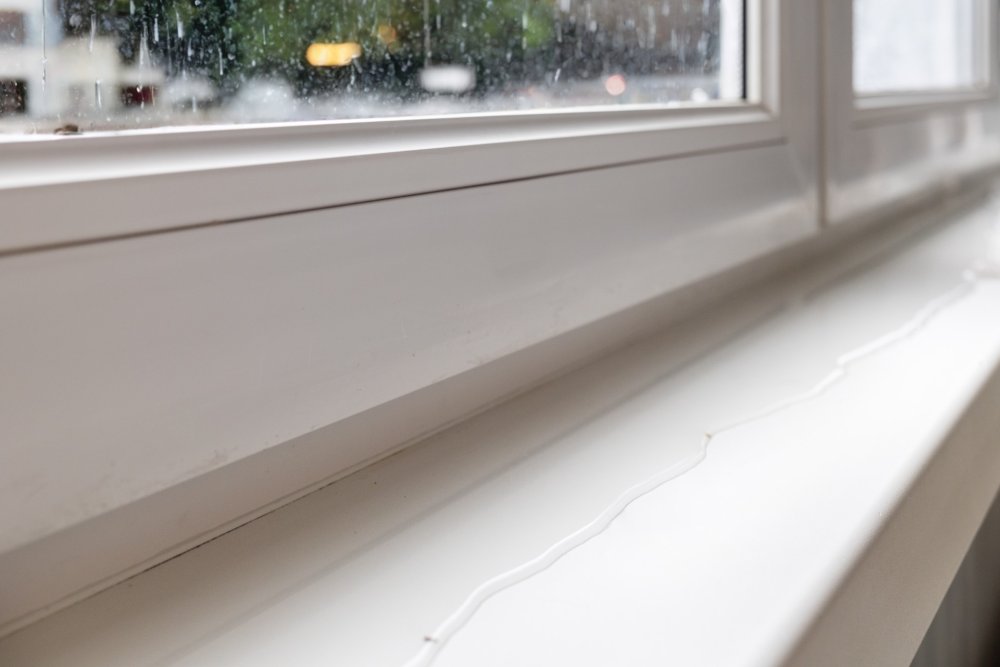
With changing temperatures, seals can dry out, crack, shrink, or start to lift slightly. At first glance, it may seem minor. Yet this is often where the first signs of air or water leakage begin.
Here is what is worth looking for:
- visible cracks;
- a seal that appears to have shrunk;
- a section pulling away;
- a corner that looks less even than the rest;
- a gap that seems wider than before.
His kind of wear does not automatically mean there is a major problem, but it should not be ignored. A weakened seal can let in air or moisture, and issues like this tend to get worse over time. If the seal needs to be redone, it is worth choosing a high-quality sealant.
2. You still feel cold air near a closed window
This is one of the most common signs, and often one of the easiest to notice.
Even in spring, some windows still leave an area feeling cooler than it should. This is not just a vague impression. It is usually the kind of discomfort that keeps showing up in the same spot: a chair by the window feels less comfortable, one corner of the room stays cooler, or you notice a slight draft even when everything is closed.
A few signs to watch for:
- you can feel air near the frame;
- a curtain moves slightly for no obvious reason;
- one room feels less comfortable than the others;
- you instinctively avoid sitting near a certain window.
In many cases, the issue is not the entire window. It may be the seal around the frame, a poor adjustment, or a component that is no longer doing its job as well as it should.
The main takeaway is simple: a closed window should not create constant discomfort.
3. The window no longer opens and closes as smoothly as it used to
A window that takes a little more effort each season is already telling you something.
Over time, different parts can shift or wear down. A mechanism may become less responsive, a track may collect buildup, or the sash may no longer sit quite as well as it once did. After winter, these small issues often become more noticeable.
A quick test can tell you a lot:
- open the window fully;
- close it again;
- check whether the movement feels smooth;
- see if the handle or crank works properly;
- notice whether the window closes firmly or feels slightly off.
A window in good condition should be easy to use. If it sticks, rubs, closes poorly, or takes more effort than it used to, that does not necessarily mean it needs to be replaced. But it does mean maintenance or an adjustment may be needed.
Many homeowners get used to a window that is “just a little stiffer.” The problem is that waiting too long can turn a small inconvenience into real wear.
4. You notice water marks, moisture, or damaged finishes
This is probably the sign to take most seriously.
Spring is one of the best times to see how your windows handle moisture. Between melting snow, rainy periods, and damp conditions, the signs become much easier to spot.
Pay attention to things like:
- a water mark at the bottom of the frame;
- a finish that looks swollen;
- peeling paint near the window;
- a stain that keeps coming back in the same spot;
- a sill that seems to have absorbed moisture.
A single mark does not always mean there is a serious issue. But if you keep seeing the same sign repeatedly, there is likely something worth checking.
What matters most is not just the presence of moisture, but whether it keeps coming back. A window that shows recurring signs of water or humidity deserves attention before the problem affects the surrounding materials.
5. The frame or finish around the window no longer looks quite right
This is a more subtle sign, but it can be very telling.
Sometimes the window itself does not seem especially problematic. And yet what is happening around it suggests it may have gone through more stress over the winter than you realize.
For example:
- a piece of trim pulling away slightly;
- a small crack in the corner of the casing;
- a finish that no longer looks straight;
- an area that seems to have shifted;
- edges that look less clean than before.
These signs are easy to miss, especially when they develop gradually. But they matter, because they often point to movement, moisture, or a loss of tightness that is starting to show in the finish around the window.
It is not always serious. But it is not purely cosmetic either.
A small fix or a real warning sign?
That is often the real question.
In many cases, the window does not need to be replaced. A minor correction may be enough, such as:
- redoing a seal;
- adjusting a mechanism;
- correcting the way the window closes;
- replacing a small hardware component or weatherstripping;
- improving the seal around the frame.
That said, it is worth looking more closely if you notice:
- discomfort that comes back every year;
- repeated water marks;
- a window that has not worked properly for quite a while;
- several signs of wear at once;
- visible deterioration around the frame or finish.
In other words, it is rarely one small detail on its own that should worry you. More often, it is the build-up of signs, or the fact that they keep returning season after season.
Spring is a good time to do more than give your windows a quick glance. It is the perfect season to notice what winter has left behind and to deal with small issues before they become bigger ones.
At Fenêtres Concept, we know that a quality window is measured not only by how it looks, but also by the comfort it provides every day. When a window starts showing signs of wear, the goal is not to jump to conclusions, but to recognize what truly deserves attention.