Windows and Interior Design: Light Comes Before Colour
You love a colour in the store, but once you get it home, it looks different. Cooler, brighter or simply less appealing. Before looking for another shade, it is worth taking a closer look at the light you are seeing it in. This is one of the first things Bria, an interior designer, considers when working with her clients.
We spoke with her at the Boutique Benjamin Moore par Portes et Fenêtres Miron in Vaudreuil-Dorion, a Fenêtres Concept dealer, to understand how to consider doors, windows and décor as part of the same project.
A Design That Starts with What You Want
For Bria, there is no single starting point that applies to every project.
“Decorating is a very personal field. I’m here to help you express your dream for your space.”
Her recommendations for doors and windows depend on what you want to change in your space. If your priority is to bring in more light, she might consider a configuration that is one-third operable and two-thirds fixed. Changing the size of an opening or replacing a solid front door with a glass-panel door can also increase the light in a room and, with it, the possibilities for its layout.
Choose a Colour in the Room, Not Just on a Screen
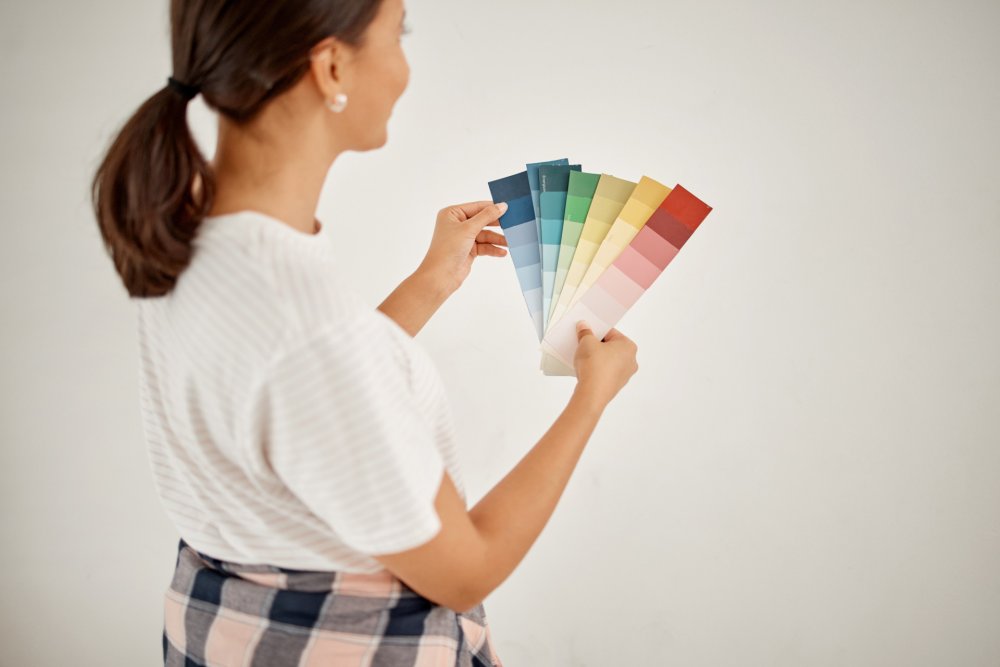
Natural light plays a central role in Bria’s recommendations. She always encourages her clients to bring colour samples home and view them in their own space at different times of day when the room has windows.
An image in a magazine, a photo on a phone or an AI-generated design can serve as inspiration. However, none of these replaces a physical sample. Screens change how we perceive shades, while the direction your windows face, the texture of the walls and the light in the room influence the result at home.
Before settling on a shade, Bria recommends testing it in the room. A colour that looks soft and subtle elsewhere may reveal unexpected undertones in your space.
One Colour, Changing Light Throughout the Day
Do you still love a colour in the evening as much as you did in the morning? The natural light coming through your windows changes throughout the day, giving way to indoor lighting in the evening. The same paint can look warmer, cooler or more intense depending on when you view it.
Before making your choice, look at your samples in the morning, afternoon and evening, both in natural light and under your usual lighting. Compare them on sunny and overcast days, too. To get a better sense of the result, paint a sample board that you can move near the windows and then into less well-lit areas of the room. This method lets you compare the colour in different conditions rather than relying on a single impression.
This approach builds on Bria’s advice: take the time to discover colours in your own space and your own light. The goal is not for the shade to look identical all day, but for you to enjoy it in every lighting setting you live in.
Coordinate Doors, Windows and Walls Without Matching Everything
A natural wood door and black window frames can work beautifully together. To connect them visually, Bria suggests repeating black elsewhere in the room, such as in a light fixture, furniture hardware or table legs.
The same approach applies to the colour palette. When the wood has warm undertones, warm whites and inviting shades can help tie everything together.
Mouldings do not always have to be white, either. A shade slightly lighter or darker than the wall can create a soft contrast. Bria also recommends keeping their profiles consistent, whether modern, traditional or country-style. The harmony then comes from the connections between the elements rather than from a perfect match.
Adapt Trends to Your Light
Among her favourite choices, Bria mentions tone-on-tone doors and mouldings, windows with slim, dark profiles, and warm, natural colours. Soft whites, sage greens and earthy tones are among her preferences.
She does, however, advise caution with all-cool-grey interiors and certain whites, particularly when natural light is limited. Her advice remains the same: choose a trendy colour for the effect it creates in your home, not just for how it looks in an inspiration image.
Replacing Windows and Redecorating: What Comes First?
Bria suggests starting with a vision for the project, followed by the budget, quotes and timeline. Final measurements, colour tests and orders come next, before installation and painting.
One detail is worth planning for from the start: if the work changes the size of the openings or the amount of natural light in the room, wait until those changes are complete before making your final colour choices. Build that flexibility into the project timeline so you can see how the new light affects the space before deciding.
A First Conversation to Move Your Ideas Forward
At the Boutique Benjamin Moore par Portes et Fenêtres Miron, clients can discuss their doors and windows, colours, finishes and mouldings. Borrowing sample books and colour fan decks also allows them to continue exploring their options at home.
Your project does not need to be fully defined before you come in to meet the team. Your first ideas are already a good starting point.